Where the Netherlands works best
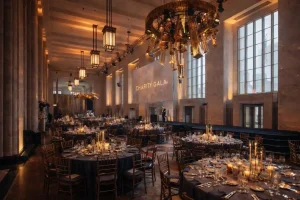
- Amsterdam is the entry point for international conferences, board meetings, brand launches and cultural programmes. RAI Amsterdam works for large congresses and trade events; Beurs van Berlage gives business events a monumental setting; Felix Meritis suits talks, dinners and product presentations; Westergas and NDSM work for fashion, tech, creative industry and production-heavy formats. For private events, Amsterdam is best when used selectively: a church dinner at De Duif or Koepelkerk, a canal arrival, a private museum moment or a discreet afterparty.
- Rotterdam is better for brands that need scale, architecture and a sharper visual language. Rotterdam Ahoy is a base for conventions, shows and corporate production. The city also works for product launches, investor events, design-led dinners and port-related programmes. Laurenskerk can turn a dinner, award ceremony or performance into something monumental without feeling decorative.
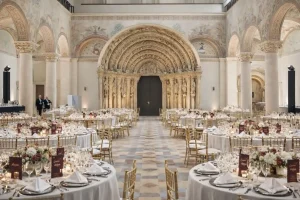
- The Hague is the choice for diplomacy, embassies, legal, public affairs and high-level corporate groups. It has a quieter, more formal tone than Amsterdam. Grote Kerk Den Haag works for conferences, exhibitions, gala dinners and cultural formats; Scheveningen adds the sea, hotels and after-hours hospitality.
- Utrecht is practical and central, ideal for teams arriving from different cities. DeFabrique works for internal summits, award shows and corporate parties where breakouts, catering and technical production must happen under one roof. Around Utrecht, estates and countryside houses suit private retreats and executive offsites.
- The Dutch coast — Noordwijk, Scheveningen, Zandvoort, Bloemendaal and Zeeland — works for summer celebrations, welcome drinks, beach dinners, incentives and relaxed corporate moments. It always needs an indoor backup, wind plan, transport plan and clear timing. Here, weather is not a problem when treated as part of production.
Food, drinks and atmosphere
A Dutch event should not feel like a standard hotel banquet. The food can be refined, seasonal and international without losing the local sense of place.
Menus can be built around North Sea fish, oysters, refined herring bites, Dutch vegetables, aged cheeses, herbs, Indonesian or Surinamese influences, French or Mediterranean fine dining, or a private chef dinner created around the client’s story.
Drinks can include Champagne, Dutch gin cocktails, botanical serves, signature cocktails with citrus, herbs or sea notes, and wine pairing for seated dinners.
Amsterdam can be artistic and intimate. Rotterdam can be bold and modern. The coast should feel open and elegant. A countryside estate should feel warm, private and controlled.
Formats we create
The Netherlands is especially b for conferences, investor meetings, leadership retreats, product launches, fashion and tech events, private birthdays, estate weekends, weddings, welcome dinners and cultural programmes.
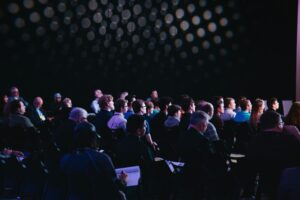
For corporate clients, we build the event around message and precision: arrival flow, content rhythm, stage direction, technical production, hospitality, media moments and brand experience. A business event here should not feel like a conference package. It should feel designed.
For private clients, the focus is privacy, atmosphere, food, service, music and emotional timing. A celebration can start with a welcome drink by the water, continue with dinner in a church or estate, and end with a party in an industrial hall.