

You Remember Goosebumps: The Rise of Sensorial Events
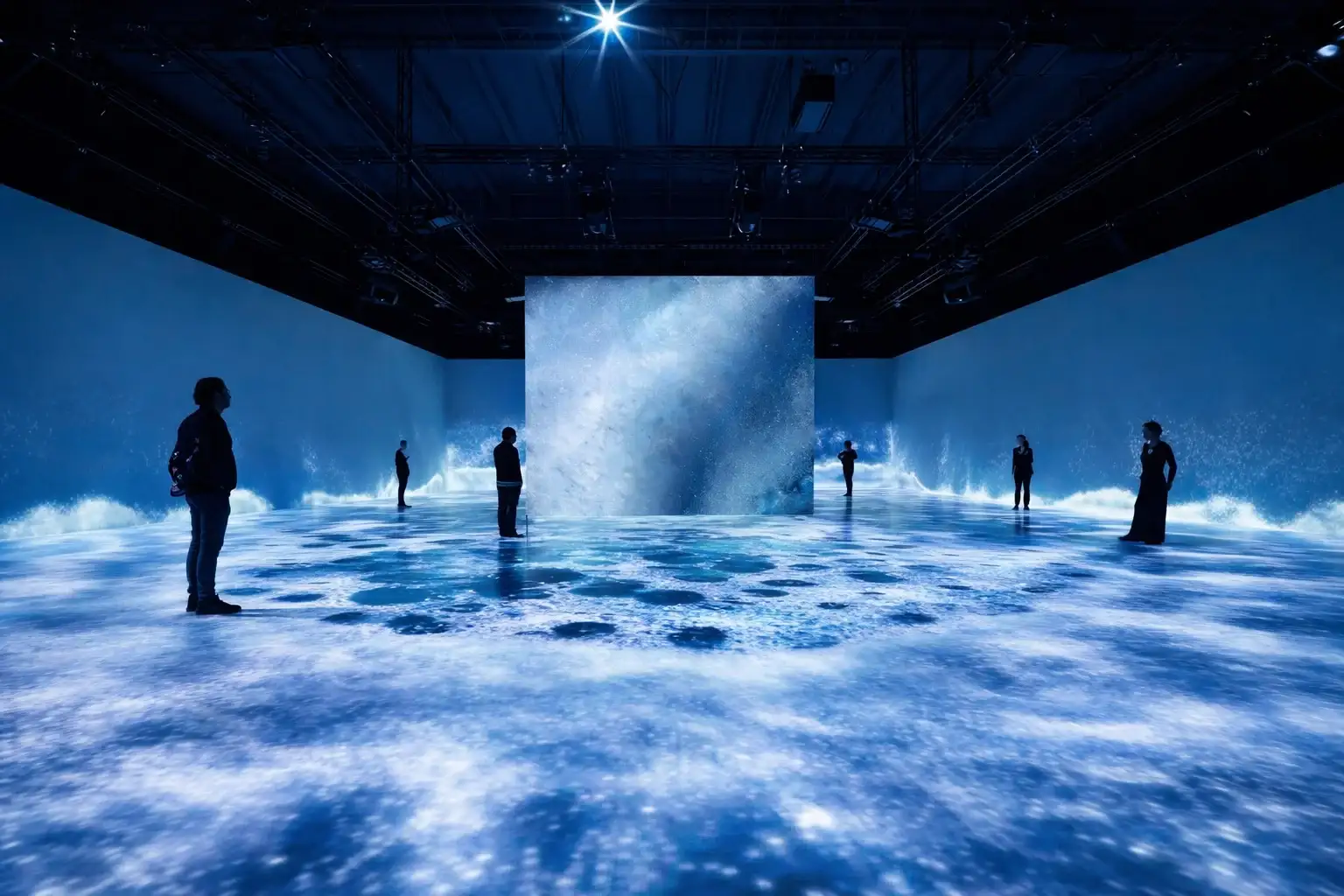
Years later, you don’t remember the exact colour of the flowers or the size of the LED screen. You remember something smaller and stronger: the moment your skin reacted. A shift in light on your arm. A certain note in the music that stayed in your chest. The warmth of a hand on a perfectly …
Years later, you don’t remember the exact colour of the flowers or the size of the LED screen. You remember something smaller and stronger: the moment your skin reacted. A shift in light on your arm. A certain note in the music that stayed in your chest. The warmth of a hand on a perfectly weighted glass. Goosebumps.
That is where sensorial events live — not in the eye, but in the body.
A sensorial event is not just an event with beautiful decor. It is an experience composed for every sense: sight, sound, scent, touch, temperature, taste. Instead of asking “What will people see?”, we ask “What will their body feel from the first step to the last goodbye?”
At SENRISEA EVENT, we design for that answer.
From pictures to presence
Most events today are built for the camera. There is a hero backdrop, a dramatic centrepiece, a moment of confetti or fireworks. They look powerful in a single frame. But when the photo is posted and the night is over, little remains.
Sensorial events are built for the person inside the frame.
They do not shout to be photographed. They pull you gently into a state. The room invites you to slow down. The sound is tuned to human voices, not just to the DJ. The light makes skin look soft, not overexposed. You find yourself breathing differently without knowing why.
This is not an accident. Behind it there is a deliberate form of sensory event design, where event decor, event production and event services are treated as one living system, not separate checklists.
Designing for all senses
In a sensorial event, each sense has a role in the story.
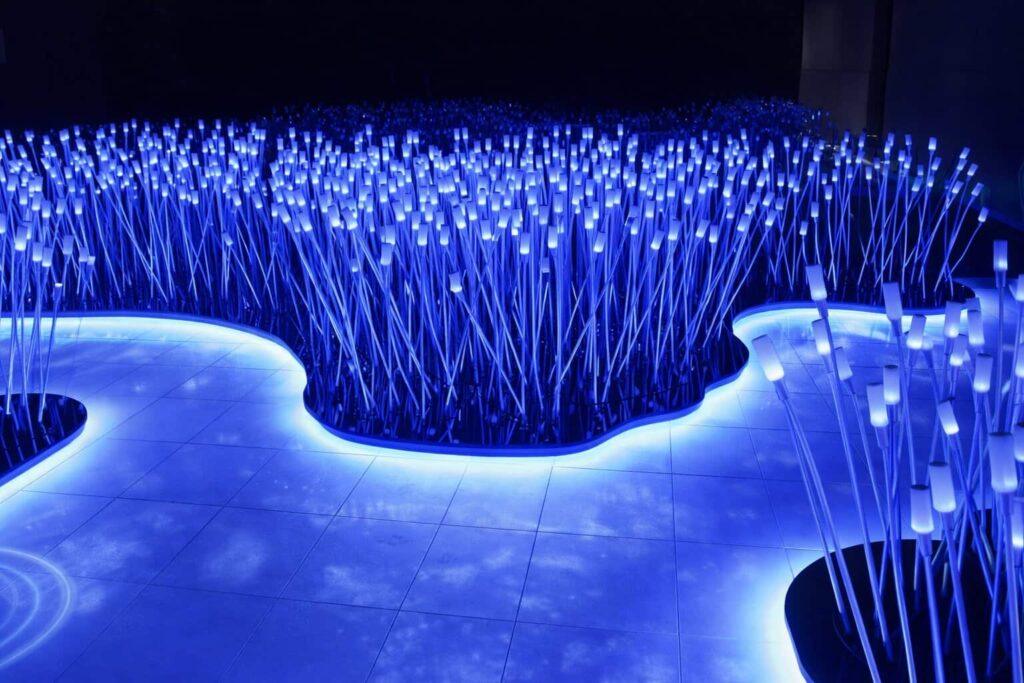
Vision is no longer about maximum information. It is about focus. One material might quietly dominate the room — stone, linen, glass, metal — creating an atmosphere before any object is noticed. Light is not just functional; it is emotional architecture, guiding attention from stranger to stranger, from table to stage.
Sound is the emotional climate. It can hold a room in suspense with almost no volume, or lift it with a single chord. We tune the frequencies so that voices sit comfortably inside the music instead of fighting with it. Guests feel held, not pushed.
Smell is memory. A barely-there note of smoke, citrus or minerals can make this night different from every other evening in the same city. It does not dominate. It appears at thresholds, at key transitions, like a secret signature.
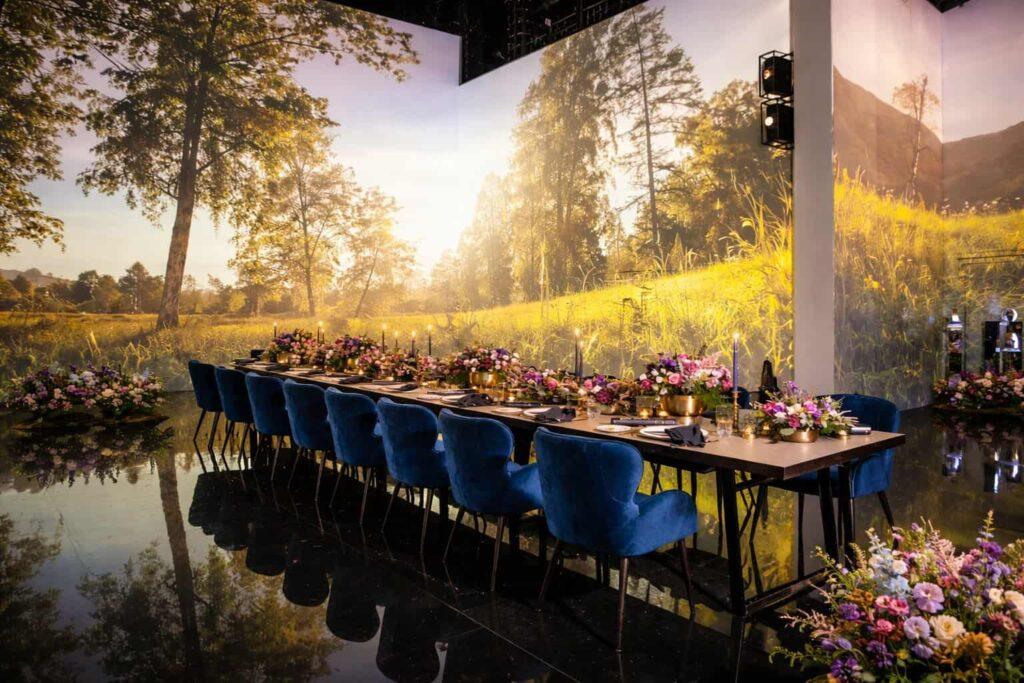
Touch is intimacy. The curve of a chair against the back, the temperature of the glass in your hand, the grain of the table under your fingers — these details tell your nervous system whether you are welcome to stay. They belong to event decor as much as any visual object.
Taste and temperature are rhythm. The way courses arrive, the contrast between hot and cold, the texture of a dessert at midnight — all of this shapes how long people want to be in the room. Event services become choreography, not just logistics.
When these senses align, you no longer observe the event. You inhabit it.
Lover and Hero: the SENRISEA role
SENRISEA EVENT moves through this process as both lover and hero.
As lover, we are obsessed with the tiny details that create connection:
- the exact tone of a spotlight on skin,
- the sound of glass on a particular surface,
- the way fabric brushes the wrist when someone sits down.
We design with tenderness. We want guests to feel desired by the space itself — as if the room has been created just for them.
As hero, we protect that feeling from everything that could destroy it: unnecessary noise, decorative chaos, the fear of “not doing enough”. We say no to gestures that are impressive for the camera but empty for the body. We remove elements that disturb the emotional temperature of the room, even if they look spectacular in a reference deck.
Our courage is in restraint. We defend the space where a guest can feel something real.
Why sensorial events are rising now
People are tired. Their days are full of screens, notifications, fast images, aggressive sound. They arrive at events with their senses already overloaded and their attention fractured.
A sensorial event offers the opposite: depth instead of speed.
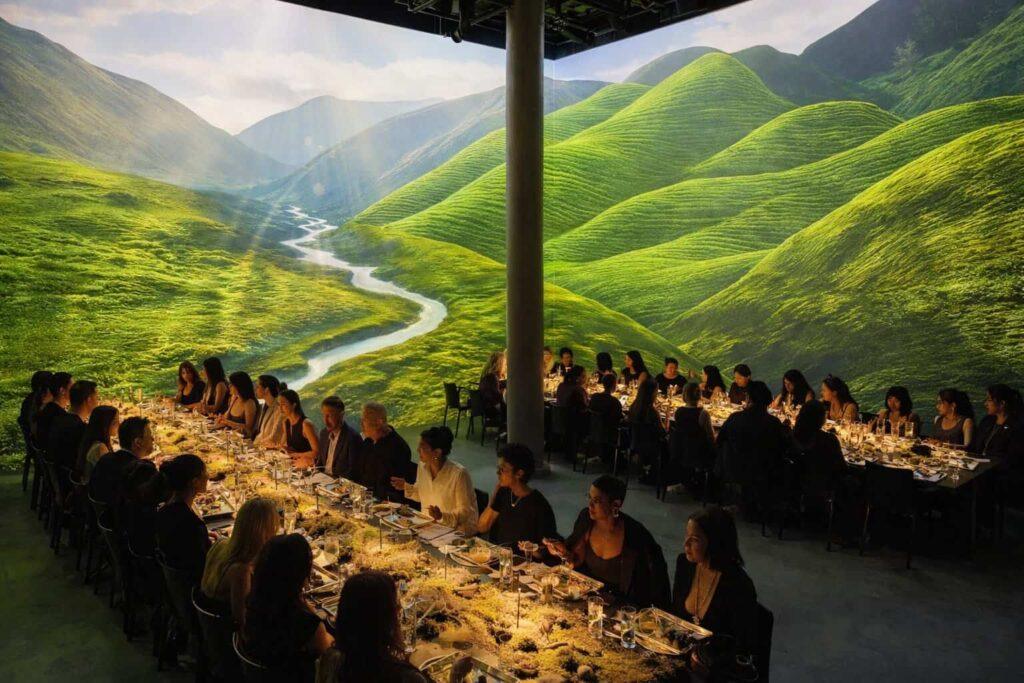
When guests walk into a carefully tuned environment, their bodies understand it before their minds do. Shoulders drop. Breathing slows. Conversations become easier. Strangers look at each other longer. For a few hours, the world shrinks to what is directly in front of them — a table, a voice, a fragment of music.
For brands, this is no longer a luxury, but a strategy. Anyone can copy a colour palette or a floral trend from social media. It is almost impossible to copy the way someone’s pulse changed in your event, the way their eyes softened in a specific light.
That feeling becomes your real brand asset.
What guests truly remember
After a sensorial event, guests do not list how many installations they saw. They talk about moments:
- the chill on their arms when the room fell suddenly quiet,
- the warmth in their chest when the lighting shifted at the exact right lyric,
- the way the night felt longer than it actually was, because every sense had something to hold on to.
This is the rise of sensorial events: a movement away from spectacle for its own sake, toward experiences that live inside the body.
At SENRISEA EVENT, we build celebrations that guests remember as goosebumps — not as content. So that long after the decor is gone and the production is packed away, your event still lives somewhere under their skin.